Goodyear, AZ · Pre-Sale Plumbing · Published August 2025 · 7 min read
Should You Repipe Your Goodyear Home Before Selling? The Buyer Inspection Reality
A Goodyear home with a history of slab leaks or visibly corroded copper will show up on the home inspection. Here is what inspectors flag, how buyers use those findings in negotiations, and whether a pre-listing repipe makes financial sense for your situation.

What home inspectors flag on older West Valley copper
Home inspectors in the Goodyear and West Valley market know the local plumbing history. An inspector who has worked in the Phoenix metro for more than a few years has seen enough slab leaks, corroded copper supply lines, and at-slab failures to know what to look for in homes from the 1990s and 2000s. What they flag in inspection reports falls into several categories.
Visible corrosion is the most straightforward finding. Green oxidation on exposed copper connections in a utility area, around a water heater connection, or in an accessible under-sink cabinet is noted as a sign of active corrosion and will appear in the inspection report with a recommendation for further evaluation by a licensed plumber.
Prior repair history is what buyers specifically ask about. In Arizona, sellers are required to complete a Seller Property Disclosure Statement (SPDS) that asks directly about known plumbing defects and repairs. A seller who has had a slab leak repair must disclose it. An inspector who finds evidence of prior concrete cutting and patching in the floor — visible as a different concrete color or a patch outline — will flag it and the seller’s disclosure will be scrutinized.
Age of the system relative to the local corrosion timeline is noted even without visible damage. An inspector of a 25-year-old Palm Valley home with original copper supply lines and no history of slab leak repairs may note in their report that the copper supply system is at age where monitoring for early failure signs is appropriate, even without flagging an active problem. This type of comment plants a seed of concern in the buyer’s mind that surfaces during negotiation.
How buyers use plumbing findings in negotiations
Once an inspection report identifies plumbing concerns, buyers have several options. They can request a repair credit (a reduction in purchase price or a credit at closing) equal to a licensed plumber’s estimate for addressing the flagged issues. They can request that the seller complete specific repairs before closing. They can accept the condition as disclosed and proceed without adjustment. Or they can use the inspection findings to withdraw from the contract if the inspection contingency permits.
In practice, when a Goodyear home inspection flags copper corrosion, prior slab leak repairs, or a professional evaluation recommendation, buyers almost always request a repair credit estimate from a licensed plumber. The buyer’s plumber — often chosen by the buyer’s agent from their preferred vendor list — will evaluate the system and provide a repair or repipe estimate. That estimate becomes the basis for the negotiation: the buyer requests a price reduction or credit equal to the estimate, plus often a premium for the inconvenience and uncertainty of a plumbing system they now view as risky.
The seller who has not done anything about known plumbing concerns before listing is often in a weaker negotiating position at this stage than one who has proactively addressed them. A buyer holding a $12,000 repipe estimate from their plumber, combined with the emotional weight of an inspection report flagging structural concerns, will press hard for a credit — often larger than the actual repipe cost — and has leverage because the listing must be put back on the market if the buyer withdraws.
The pre-listing repipe case: when it makes financial sense
A pre-listing repipe eliminates the inspection finding, removes the disclosure obligation for copper pipe condition, and allows the seller to market the home with updated plumbing infrastructure. Whether it makes financial sense depends on three variables: the home’s price point, the scope of the repipe required, and the local market’s buyer sophistication.
In Goodyear’s mid-range and upper-mid-range market segments, a repipe typically returns its cost in sale price protection rather than sale price increase. A seller who repipes for $10,000 and eliminates a $12,000 repair credit negotiation has come out ahead by $2,000 plus the avoided negotiation stress and potential sale fall-through risk. In a slow market or for properties at the lower price point, the math may favor disclosure and a price reduction instead.
The other factor is the seller’s timeline. A repipe in a Goodyear home takes 2 to 3 days of work plus the permit inspection. If a seller is on a tight timeline to list, pre-listing repiping may not be feasible. In that case, a pre-listing slab leak detection inspection — confirming whether any active leaks are present — gives the seller accurate information to make a disclosure decision from a position of knowledge rather than uncertainty.
The alternative: pre-listing detection and informed disclosure
For sellers who decide against pre-listing repiping, a professional slab leak detection inspection before listing serves two purposes. If the inspection finds no active leaks, the seller can disclose the pipe age and copper condition accurately but without a current leak to disclose. If the inspection finds an active leak, the seller knows about it before the buyer’s inspector finds it, and can make a deliberate decision about repair, price adjustment, or disclosure strategy rather than being caught off guard during the buyer’s inspection contingency period.
Goodyear sellers who list without knowing their plumbing condition in a home with older copper run the risk of a buyer inspection finding a slab leak that the seller was genuinely unaware of — which still triggers the same negotiation dynamic as a known leak, but from a worse negotiating position since the seller appears not to have done due diligence on the property they just listed.
See our whole-home repiping and slab leak detection pages for the scope and timeline of each option.
One more consideration: not all Goodyear homes with older copper need the same response. A Palm Valley home at 22 years old with one prior slab leak repair is a different situation than a PebbleCreek home at 32 years old with three prior repairs. The age of the copper, the history of failures, and the visible pipe condition at accessible points all inform the recommendation. We assess each situation on its merits and give sellers an honest read on whether pre-listing repair, detection, or disclosure-as-is is the most defensible position for their specific property and market circumstances.
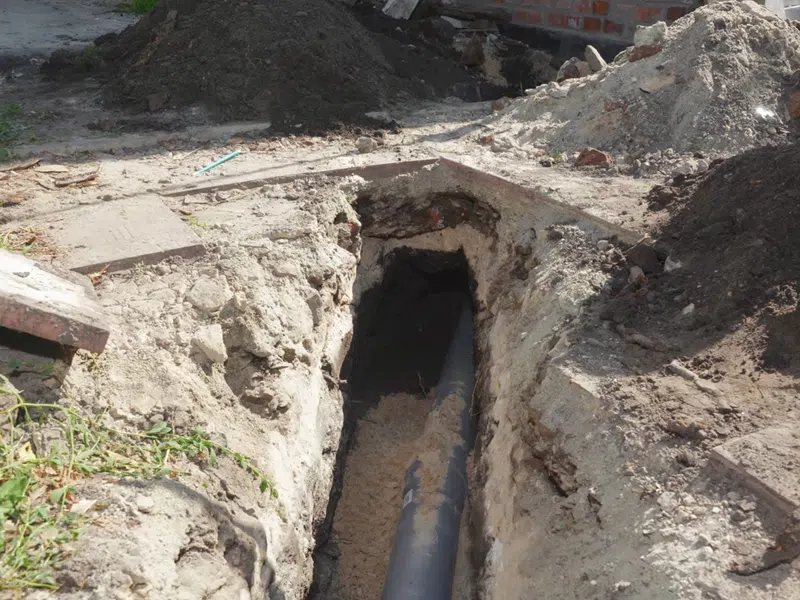
Documentation matters after a pre-listing repipe. Keep the City of Goodyear permit, the inspection card, and any warranty documentation from the pipe manufacturer or the plumbing contractor. These documents are provided to the buyer at closing as evidence of the completed scope of work, the inspection result, and the warranty coverage. Buyers represented by experienced Goodyear real estate agents expect permit documentation for repiping work, and having it organized reduces closing friction.
Frequently asked questions
Does repiping increase home value in Goodyear?
A pre-listing repipe primarily protects sale price rather than increasing it. Buyers in Goodyear’s market do not typically pay a premium over market value for updated plumbing, but they do negotiate price reductions for known plumbing concerns. The financial benefit of repiping before selling is preventing the negotiated repair credit from eroding the sale price — the credit requested during buyer inspection is often larger than the actual repipe cost.
Am I required to disclose past slab leaks in Arizona?
Yes. The Arizona Seller Property Disclosure Statement (SPDS) specifically asks about known plumbing defects, repairs, and malfunctions. A seller with knowledge of a past slab leak repair must disclose it. Failure to disclose known material defects is a basis for legal action after closing. We recommend consulting with your real estate agent or a real estate attorney about the specific disclosure requirements for your property.
What will a home inspector find in a 20-year-old Goodyear home?
In a 20-year-old Goodyear home with original copper supply lines and no prior leak history, a thorough inspector will note the copper age relative to the local corrosion timeline, look for visible corrosion at accessible connections, and may recommend a professional plumbing evaluation. If there is any evidence of prior concrete cutting, the inspector will flag it and the SPDS disclosure becomes significant. An inspector will not typically perform a slab leak detection test — they observe and report conditions rather than actively test for hidden failures.
Get a pre-listing plumbing assessment in Goodyear
Slab leak detection and repipe estimates for Goodyear sellers. Written report suitable for disclosure review.
(623) 323-3182 — Call Now