Goodyear, AZ · Water Heaters · Published February 2025 · 7 min read
Tank vs. Tankless Water Heater in Arizona: What the Manufacturers Don’t Tell You
Tankless water heaters are marketed aggressively in Arizona. In Goodyear’s hard water, the annual descaling requirement, gas line upgrade cost, and smaller standby-loss advantage change the comparison significantly.
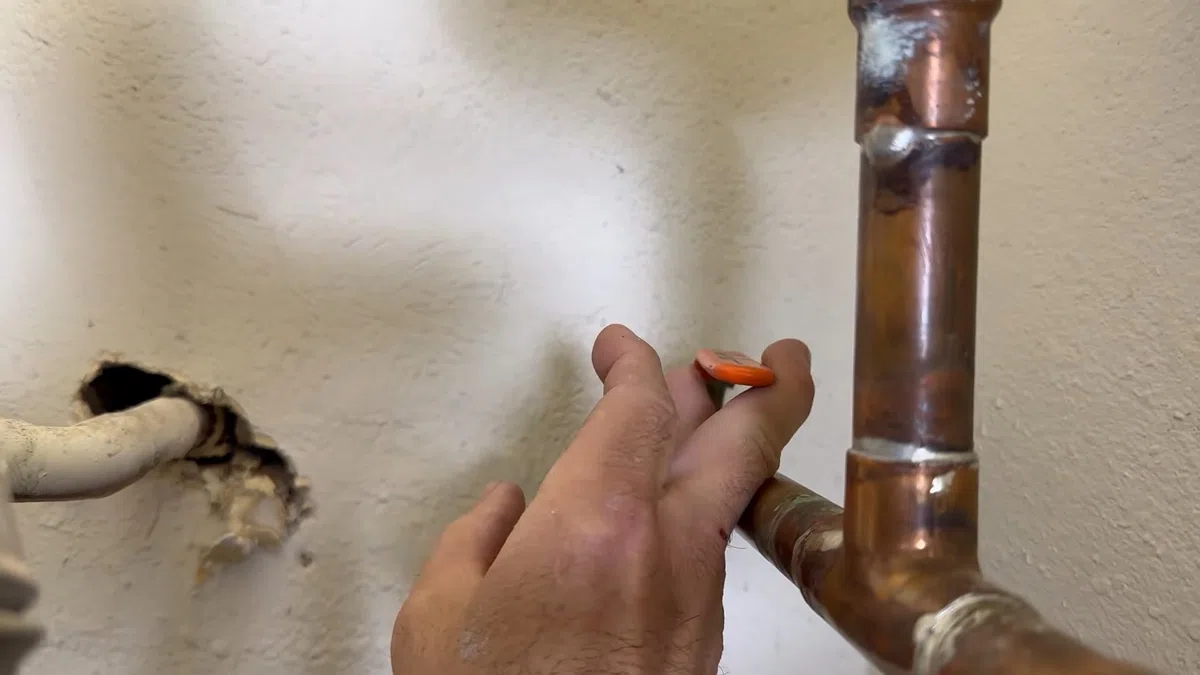
What manufacturers tell you about tankless — and what they skip
Tankless water heater marketing focuses on three benefits: unlimited hot water, energy savings from eliminating standby heat loss, and a longer rated service life than tank heaters. All three of these claims are true in soft water markets. In Goodyear’s 250 to 400 ppm hard water, they remain partly true but require important qualifications that the manufacturers’ marketing does not prominently feature.
The most significant omission is the annual descaling requirement. In Goodyear, a tankless water heater that is not descaled annually will lose efficiency, eventually trigger error codes, and in the worst cases suffer heat exchanger failure requiring replacement of the core component of the unit. This is not a possibility in Goodyear; it is a near-certainty on a timeline of 2 to 4 years without maintenance. Understanding this before selecting a tankless heater changes the ownership calculation substantially.
How hard water changes the tankless performance picture
A tankless water heater heats water on demand by passing it through a heat exchanger, typically a copper or stainless steel coil exposed to a high-output gas burner. In Goodyear’s hard water, calcium and magnesium precipitate out of solution when the water is rapidly heated through the coil. The mineral deposits adhere to the interior coil walls, progressively narrowing the heat transfer surface and reducing the coil’s ability to transfer heat efficiently.
The practical results appear in order of severity: reduced output temperature at the same flow rate, reduced flow rate at the same temperature, error codes indicating heat exchanger overheat or flow restriction, and eventually heat exchanger failure if the scale accumulation is allowed to block flow entirely. Annual descaling with a citric acid or food-grade descaling solution cleans the coils and restores performance. It is a service call that takes 1 to 2 hours and costs accordingly, every year.
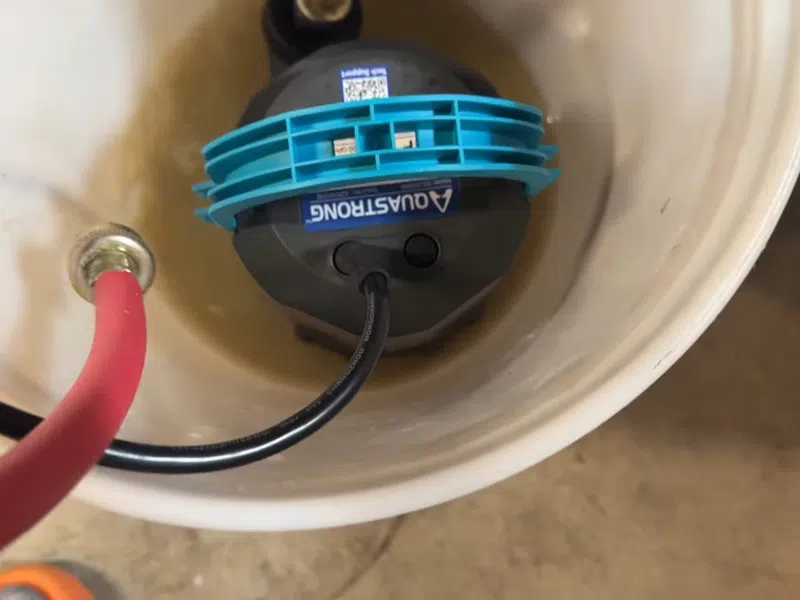
A whole-home water softener installed upstream of the tankless unit significantly changes this picture. Softened water does not deposit calcium and magnesium on heat exchanger coils. With a softener in the system, tankless descaling intervals can extend to 18 to 24 months, and the risk of premature heat exchanger failure is substantially reduced. The combined cost of a softener and a tankless heater is higher upfront, but the long-term operating picture is more favorable than a tankless unit in unsoftened Goodyear water.
The standby heat loss advantage — smaller in a warm climate
Standby heat loss is the energy a tank heater expends keeping water hot when no one is using it. In cold climates, where ambient air temperatures can be 40 to 60 degrees below the tank’s thermostat setting, standby heat loss is substantial. In Goodyear, where garage temperatures range from the mid-60s in winter to over 100 degrees in summer, the temperature differential between the stored water and the surrounding air is much smaller than in cold-climate markets.
Industry studies on tankless payback periods are predominantly based on cold-climate data. When those numbers are adjusted for Goodyear’s warm ambient temperature, the standby heat loss that a tankless unit saves is smaller than the national marketing data suggests. Actual utility savings from switching from a tank to a tankless heater in a Goodyear garage installation are real but modest, typically in the $15 to $30 per month range for most households.
The conversion reality: gas lines, electrical, and true installed cost
Most whole-house gas tankless water heaters require a significantly larger gas supply than the tank heater they replace. A standard tank heater in a Goodyear home is typically connected with a half-inch gas line rated for 30,000 to 40,000 BTU. A whole-house tankless unit requires 140,000 to 199,000 BTU at peak demand, which requires a three-quarter inch gas line, and sometimes three-quarter inch from the meter depending on the run length. This gas line upgrade is not optional; it is a code requirement and a performance necessity.
The ignition and control system of a tankless unit also requires a dedicated electrical circuit. Many Goodyear homes do not have a dedicated circuit at the water heater location. Adding one requires electrical work that adds to the installation cost. The tankless unit itself costs more than a comparable-capacity tank heater.
Installed cost for a tankless conversion in a Goodyear home, including the unit, gas line upgrade, electrical circuit, and permit, typically runs $2,500 to $4,500 or more depending on the unit and the scope of the gas and electrical work required. A standard tank heater replacement, including permit and expansion tank, typically runs $900 to $1,800. The payback calculation needs to account for this full cost difference, not just the unit price.
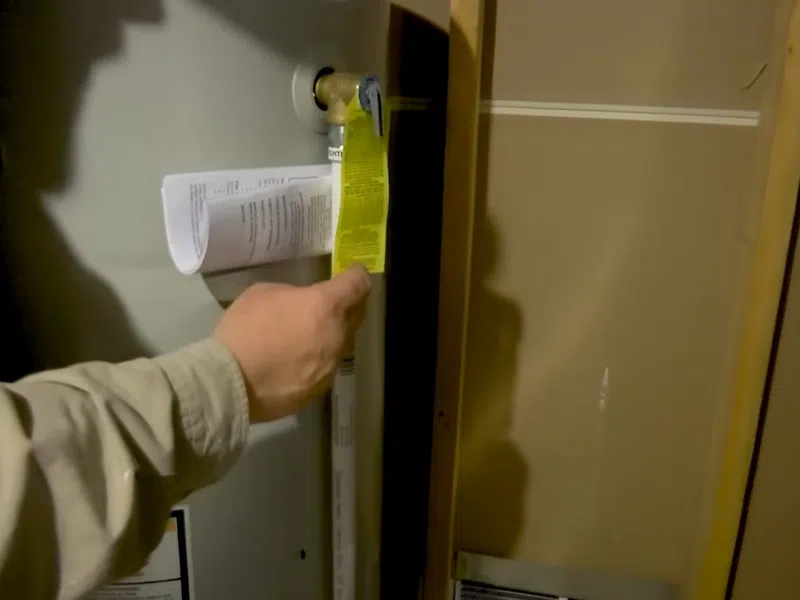
When tankless makes sense in Goodyear
Tankless heaters make the most sense in Goodyear when the household has a genuine unlimited hot water demand that a correctly sized tank cannot serve economically, when there is already a whole-home water softener in the system (significantly reducing the annual maintenance burden), for vacation properties where the elimination of standby loss during extended absence has clear value, or when the available installation space makes a tank heater genuinely impractical. For households that value unlimited hot water, are committed to annual maintenance, and have a softener already in place, tankless is a reasonable choice.
When a tank heater is the better answer
For households that don’t want to budget for annual descaling service calls, for homes without a water softener where the descaling commitment is even more important, and for straightforward replacement situations where the existing gas line and space accommodate a tank, a correctly sized tank water heater with annual sediment flushing remains the most cost-effective, lowest-maintenance choice for most Goodyear homeowners. See our water heater installation and tankless water heater services pages for both options.
Heat pump water heaters represent a third option gaining traction in Goodyear. They pull heat from ambient air rather than generating it, achieving operating costs significantly below a standard electric tank. Goodyear's warm climate is an advantage for HPWHs during most months, and federal efficiency incentives currently apply to qualifying installations. Hard water management via a softener is still required upstream. We install and service heat pump units alongside gas tank and tankless options.
Tankless vs. tank questions
How often does a tankless water heater need to be descaled in Goodyear?
In Goodyear without a water softener upstream, once a year is the standard recommendation for most units. Homes with water at the higher end of the 250 to 400 ppm range, or with higher daily flow through the unit, may need descaling every 9 to 10 months. With a whole-home water softener installed upstream of the tankless unit, descaling intervals typically extend to 18 to 24 months. Skipping annual descaling in Goodyear hard water is the primary cause of premature heat exchanger failure in tankless units.
What brands of tankless water heater do you recommend for Goodyear?
Navien, Rinnai, and Rheem are the three brands with the strongest service support and the most widely available parts in the West Valley. All three perform well in Goodyear's conditions when properly maintained. The Navien NPE series has an integrated internal recirculation pump that adds comfort benefits in a larger home. The Rinnai RU series is a reliable, proven platform with excellent service network support. Rheem's RTEX and Professional Plus lines are solid options at a somewhat lower price point. The deciding factor should be parts availability from your plumber's normal supplier, since the best-maintained unit is the one whose service parts can be sourced quickly when needed.
Is a tankless water heater worth it in a Goodyear vacation home or seasonal property?
A tankless heater eliminates standby heat loss during the extended periods when a vacation or seasonal property is unoccupied, which is a genuine advantage. A tank heater continues heating water on its thermostat cycle even when no one is there. The energy savings during vacancy periods are real. The trade-off is the maintenance commitment: a tankless unit in Goodyear hard water needs annual descaling regardless of how often the property is used, and if the unit is sitting with stagnant hard water in the heat exchanger coils for months at a time between uses, scale accumulation may actually accelerate.
Get an honest water heater recommendation for your Goodyear home
We assess your gas line, household size, water quality, and space. Tank, tankless, or heat pump — we recommend what fits your situation.
(623) 323-3182 — Call Now